
Did you know that over 70% of small businesses without a professional website miss out on valuable leads and local customers every month? This eye-opening fact reveals how critical website building and content management systems (CMS) have become for success in today’s digital world
A Game-Changing Statistic: Why Website Building and Content Management Systems Matter for Small Business Success
Small businesses face mounting competition both online and offline. A recent survey by the UK’s Federation of Small Businesses reports that businesses with professionally built websites are 60% more likely to experience steady growth compared to those without. The backbone of this digital presence lies in website building and content management systems—not just for creating attractive websites, but for effectively managing content, e-commerce, and interactions with customers. Content management systems make it easy for even non-technical users to control web content, update product offerings, share news, and connect with audiences — all without needing advanced coding skills.
From well-known solutions like WordPress, Shopify, Wix, and Squarespace to customisable tools from CHLabs.co.uk by Capid Houser, these platforms level the playing field for small businesses. When set up properly, they enable you to launch a polished, fully managed website rapidly and update it on the fly. As digital trends accelerate, and customers demand instant information, the case for adopting reliable web content management systems becomes overwhelming. Companies that seize this advantage are not just keeping up—they’re racing ahead.

What You’ll Learn in This Guide to Website Building and Content Management Systems
- The essentials and benefits of website building and content management systems for small businesses
- How content management and web content management power digital success
- Choosing the right management system, including CMS platforms like WordPress, Shopify, Wix, and Squarespace
- Comparing traditional CMS, headless CMS, and new trends in website building
- Industry-specific and multipurpose software solutions offered by CHLabs.co.uk
- Practical steps to build and manage your own site using proven tools and strategies
Defining Website Building and Content Management Systems: The Foundation of Modern Web Content
Before diving into solutions, let’s clarify what we mean by website building and content management systems. These tools form the skeleton and nervous system of any digital presence, allowing businesses to both create and control their web content with minimal technical expertise. Whether you’re launching a landing page or managing a full e-commerce store, understanding these core technologies is your first step towards digital mastery.
Website builders typically offer a visual, drag-and-drop approach, making it easy for anyone to get started and launch a site in hours. On the other hand, content management systems (CMS) like WordPress provide flexible frameworks to organise, store, and publish unique content across multiple pages and formats. Both approaches have revolutionised the way businesses create and manage their web content, often integrating directly with mobile apps and third-party plugins to enhance the user experience and drive results. Let’s unpack the jargon and see how these platforms can fit your specific needs as a modern business owner.

What Is a Content Management System in Web Development?
A content management system (CMS) is a software platform that allows you to build, manage, and modify website content without needing to code everything from scratch. In web development, a CMS acts as a central hub where content is stored, organised, and published. Its key features include an intuitive user interface, the ability to manage users, secure content workflows, and built-in tools for search engine optimisation (SEO).
This means small business owners can update web content, add new products, launch blog posts, and tweak their site’s design with little technical know-how. Popular CMS options like WordPress, Wix, and Shopify each offer a range of functionalities covering everything from templates and party plugins to analytics dashboards. In today’s fast-paced market, a CMS is essential for effective web content management, ensuring your business stays relevant and attractive to both customers and search engines.
What Is Website Builder and CMS?
A website builder is typically an all-in-one tool that combines web hosting, design templates, and editing tools, ideal for users wanting ease of use and quick setup. A CMS, while sometimes overlapping with builders, caters to both beginners and advanced users by providing more control over content structure and functionality. In short, website builders focus on simplicity, while traditional CMS platforms deliver custom content management solutions—enabling businesses to scale, adapt, and deliver web content across devices and digital experiences.
Well-known website builders like Wix and Squarespace excel at visual design, rapid deployment, and mobile app integration, simplifying the process for small business owners. In contrast, CMS platforms like WordPress and Shopify offer more powerful options for content categorisation, SEO, and integration with broader tech stacks. Both types of platforms are essential in today’s web landscape, each providing specific use cases to match your unique needs and business goals.
How Website Building and Content Management Systems Fuel Small Business Growth
Adopting robust website building and content management systems has become instrumental to small business growth. The right platform not only helps you launch your digital storefront quickly but also makes managing and scaling web content far more efficient. Streamlining content updates, improving user experiences, and implementing best practices in web content management give you a sharp competitive edge—especially as businesses migrate online and customers demand up-to-date information and easy navigation.
With the emergence of user-friendly CMS platforms, business owners gain control over the look and feel of their website and can easily publish new content, feature promotions, or update product information whenever they need. Furthermore, a solid web content management system provides the scalability to grow your offering from a small portfolio to a full e-commerce store. This agility and ease of use mean businesses can respond nimbly to market demands, adapt their content strategy, and maintain a vibrant web presence year-round.

Efficiency and Ease: Content Management and Ease of Use for Business Owners
The true value of modern content management systems lies in their ease of use and intuitive design. Many platforms now offer drag-and-drop editors, real-time previews, and guided setup processes to help you get started without technical expertise. This reduces barriers for small businesses, enabling owners and staff to make timely updates, launch promotions, or refine their website design in minutes. Customisable interfaces like those found in Wix, Squarespace, and the applications from CHLabs.co.uk, further simplify content structure and organisation, so your website always matches your evolving needs.
Moreover, the automation capabilities within these platforms—such as scheduling blog posts or automating contact forms—free up valuable time, letting you focus on delivering excellent service and developing your business. With built-in analytics and SEO tools, you can track how web content performs, tweak your strategy, and achieve measurable growth.
For small businesses seeking a more tailored approach to digital growth, exploring the range of business software development solutions from Capid Houser Labs can provide the flexibility and industry-specific features needed to streamline your operations and enhance your online presence.
Driving Customer Engagement Through Dynamic Web Content
High-quality web content is the magnetic force that keeps customers engaged and coming back. Effective content management systems empower small businesses to create dynamic, multimedia-rich websites that reflect their unique brand and voice. Interactive features—like galleries, videos, custom landing pages, and even mobile apps—encourage visitors to spend more time exploring, boosting engagement rates and conversion potential.
Modern CMS platforms also support personalisation features, allowing you to tailor content based on user interests or browsing history. This creates a seamless and relevant digital experience, turning casual visitors into loyal customers. Integrated analytics tools help you monitor which content performs best, guiding future updates and ensuring that your site remains a valuable resource for your audience.

Seamlessly Scaling Your Business with Web Content Management Systems
As your business grows, so do your content and customer management needs. Web content management systems are built to scale, supporting everything from single-page sites to extensive e-commerce catalogues. With features like user roles, content scheduling, and multi-site management, platforms such as WordPress and Shopify allow teams to collaborate efficiently and maintain consistent standards as the website expands.
Third-party integrations further extend these systems, enabling invoicing, inventory management, digital marketing tools, and even custom mobile apps. As you add new markets or services, a flexible CMS helps you scale your web content strategy without having to rebuild your site from scratch. This scalability is crucial for small businesses striving for long-term sustainability and market leadership.
“A robust website building and content management system is not a luxury for small businesses—it is the very engine of their online visibility and growth.”
Core Elements: Understanding Content Structure, Content Hubs, and Web Content Management
Success online hinges on how well you organise, present, and distribute your unique content. Key elements like content structure and content hubs shape your user’s journey and facilitate efficient web content management. Let’s delve into how a solid foundation makes your website more discoverable and valuable to both users and search engines.
Effective content hubs organise information into easily navigable categories, helping visitors find what they need quickly. By grouping related articles, FAQs, and resources, you create a digital ecosystem that maximises engagement and guides users through different use cases relevant to your business. Advanced CMS platforms, such as HubSpot Content Hub and solutions from CHLabs.co.uk, make it seamless to develop and maintain these structures for optimal web performance.

Building Strong Content Structure for Web Success
Having a clear content structure is foundational for any business aiming to achieve digital success. Properly organised web content helps users navigate your site intuitively, improving the overall digital experience while enhancing SEO rankings. This involves planning your site’s hierarchy, grouping closely related topics under logical headers, and ensuring each page adds unique value. Whether you’re running a news blog, an e-commerce site, or a project management consultancy, using a well-designed CMS makes it easy to maintain a logical and effective structure.
Platforms like WordPress, Shopify, and custom content management systems from CHLabs.co.uk provide built-in tools and plugins for crafting robust menus, categorising content, and enhancing internal linking. Clear site maps, logical category pages, and well-labeled navigation not only support customers but also help search engines find and rank your content more effectively. Investing effort into a strong content structure at the start pays dividends in both usability and traffic over time.
Leveraging Content Hub and HubSpot Content Solutions
Content hubs and advanced platforms like HubSpot Content Hub have transformed how small businesses approach their web content management strategy. These tools centralise all your digital resources—blog posts, case studies, videos, whitepapers—providing a unified space for both creation and distribution. By consolidating assets into a content hub, you streamline content updates, facilitate team collaboration, and provide a seamless digital experience for your audience.
With automation, advanced analytics, and personalised content delivery options, platforms like HubSpot Content Hub help you stay ahead of customer expectations. Integrated with your tech stack, these solutions adapt to your industry’s unique needs, offering specific modules for marketing, e-commerce, and lead generation. Small businesses looking to maximise digital reach and simplify operations benefit immensely from embracing content hub solutions—especially as content demands grow.
The Power of HubSpot Content Hub for Small Business Websites
HubSpot Content Hub stands out as an example of how smart web content management can drive meaningful growth for small businesses. With features including drag-and-drop editing, comprehensive SEO optimisation, and fully integrated CRM tools, it’s designed to empower users of all skill levels. Dynamic content functionality ensures every visitor receives a tailored experience, enhancing retention and boosting conversions.
For organisations looking for a robust yet flexible CMS platform, HubSpot Content Hub offers ready-made integrations and partnership opportunities. Whether you need custom landing pages or industry-specific workflows, its modular design makes it a strong fit for a wide range of digital experiences. Solutions like this—and those developed by CHLabs.co.uk—help businesses serve unique content without needing extensive technical expertise.
A Closer Look at Content Management Systems and CMS Platforms
Traditional Content Management Systems vs. Headless CMS: Key Differences and Benefits
While traditional content management systems like WordPress and Joomla keep everything—content, design, and logic—under one roof, the rise of headless CMS offers a new approach for modern businesses. In a traditional CMS, your web content, presentation, and back-end are tightly coupled, allowing for ease of use but occasionally limiting flexibility, especially for advanced digital experiences across multiple platforms (web, mobile apps, IoT devices).
By contrast, a headless CMS separates content storage and management from the presentation layer. Content is delivered via APIs, enabling you to use any technology or device to display it—an ideal setup for businesses seeking a future-proof web content management strategy. This provides the agility to deliver consistent, personalised content across websites, mobile apps, or even smart devices, making a headless CMS an increasingly popular use case for expanding small businesses.
Popular CMS Platforms: WordPress, Shopify, Wix, Squarespace, and More
Let’s break down the strengths of today’s leading CMS platforms—all are excellent for different business models and levels of technical know-how. WordPress is renowned for its flexibility, theme choices, and massive plugin ecosystem; it powers over 40% of the world’s websites, making it a clear favourite for both content-rich blogs and scalable e-commerce. Shopify is the go-to solution for online commerce, offering easy product management, secure payments, and powerful inventory control.
Wix and Squarespace offer unmatched simplicity, beautiful templates, and fast deployment—ideal for service-based businesses and creative professionals. Each platform serves unique needs, supporting integrations for newsletters, booking systems, and even custom mobile apps. Less common options like Joomla and Drupal are favoured for large-scale, complex projects with dedicated IT teams. For businesses focused on rapid scaling, built-in SEO, and modern user experiences, a CMS platform is a cornerstone of any effective content strategy.
What are the top 5 CMS platforms?
The top 5 CMS platforms widely used by small businesses are: WordPress, Shopify, Wix, Squarespace, and Joomla. WordPress leads with its open-source flexibility and plugin support. Shopify shines as a commerce-first solution. Wix and Squarespace are favoured for intuitive design and setup, while Joomla caters to more technically experienced teams seeking custom content structure. Each platform offers unique features—making it crucial to match your choice to your business’s specific needs and digital goals.
| Platform | Key Features | Ease of Use | SEO Tools | Starting Price (Monthly) |
|---|---|---|---|---|
| WordPress | Extensive plugins, custom themes, open-source, content hub, blog & e-commerce support | Moderate; vast tutorials available | Advanced plugins, custom SEO options | Free (hosting extra) |
| Shopify | All-in-one commerce, inventory, payment integration, mobile apps | Very easy; streamlined for sales | Built-in, strong SEO for e-commerce | £25 |
| Wix | Drag-and-drop, templates, app market, mobile responsive | Very easy; no coding needed | Good native SEO tools | £4.50 |
| Squarespace | Modern design templates, blogging, built-in analytics, commerce options | Very easy; visual editor | SEO tools included | £10 |
| Joomla | Flexible structure, multilingual support, large extensions library | Steeper learning curve | Customisable SEO extensions | Free (hosting extra) |
“Choosing the right CMS platform can save your business time and money, while putting you in control of your online brand.” – Industry Expert
Real-World Applications: Website Building and Content Management Systems for Diverse Small Business Sectors

- Wedding Planning
- Small Business Finances
- Real Estate Agents
- Project Management
- Recruitment Consultancies
- Travel Planning
- Content Creation for Newsletters
- Fitness Coaching
How Website Building and Content Management Systems Transform These Industries
From wedding planners to real estate agents and fitness coaches, every industry has unique digital demands—yet they all benefit from powerful website building and content management systems. For example, a wedding planner can use a CMS platform to share personalised event galleries and client testimonials, while a fitness coach might integrate booking tools, online workouts, and custom blogs to engage clients and promote services. Recruitment consultancies leverage web content management for posting job listings, intake forms, and tracking candidate submissions efficiently.
Specialised platforms, such as those from CHLabs.co.uk, provide sector-specific templates and modules designed for the real-world use cases faced by small businesses. Whether handling online finance tools, showcasing real estate portfolios, or managing dynamic travel itineraries, an adaptable management system helps industries scale, create, and distribute relevant content—ensuring clients receive a seamless, memorable digital experience.
Step-by-Step: How to Build a Website with a Content Management System

How to build a website with a content management system?
Building a website with a CMS is straightforward when you use the right tools and follow a clear plan. Here’s how most small businesses can get started:
- Define your website goals and audience
- Choose the right CMS platform
- Select and customise a website template
- Add essential web content and organise content structure
- Install plugins, modules, or integrations
- Optimise your site for search engine visibility
- Launch and promote your business website
At each stage, take advantage of your chosen CMS’s key features—including drag-and-drop design, SEO controls, and analytic dashboards—to craft a site that truly supports your business goals. Solutions from CHLabs.co.uk often incorporate guided setup steps, connecting your unique business use case to the right digital experience with minimal fuss.
Emerging Trends: The Shift to Headless CMS and Decoupled Website Building Strategies
Understanding Headless CMS and its Advantages for Small Businesses
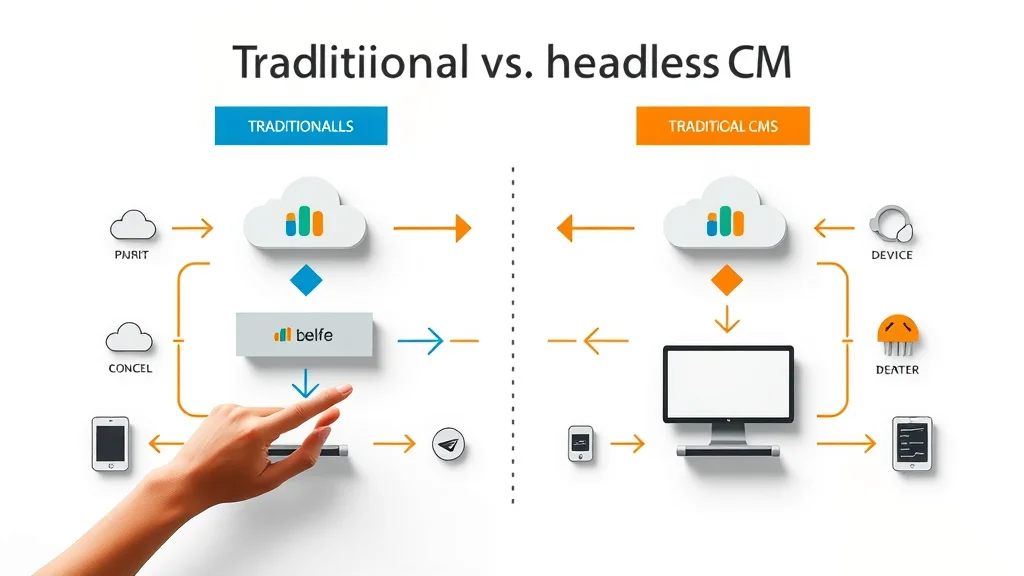
The evolution of the headless CMS is transforming how businesses serve content across devices and platforms. Unlike traditional systems, a headless CMS stores content in a single back-end and delivers it via APIs to any front-end—websites, mobile apps, voice assistants, and more. For small businesses with ambitions for omnichannel marketing and rapid adaptation, this provides unmatched flexibility and scalability.
Headless CMS approaches are particularly useful for integrating with modern tech stacks, delivering consistent content without design restrictions, and ensuring your web content is ready for tomorrow’s innovations. Platforms such as Contentful, Strapi, and Sanity are leading the charge here, but bespoke solutions from CHLabs.co.uk are making these advantages accessible to small and growing companies—future-proofing your online presence while reducing long-term costs.
Future-Proofing with Decoupled Content Management Systems and Hybrid Approaches

Hybrid or decoupled content management systems combine the best of traditional and headless CMS solutions. By allowing some content to be delivered instantly through standard themes and other assets via APIs, they empower small businesses to experiment with different digital experiences without abandoning proven workflows. This hybrid approach ensures your site remains adaptable to both current content strategies and emerging technologies.
Such future-proofing is crucial for companies expecting to expand or diversify. Platforms offered by CHLabs.co.uk provide seamless integration with marketing tools, custom modules, and multi-platform publishing—satisfying both today’s needs and preparing your business for tomorrow’s challenges. If your business aims to remain competitive, decoupled web content management ensures your digital infrastructure can grow alongside your ambitions.
Why Choose CHLabs.co.uk for Website Building and Content Management Systems Solutions?
Customisable, Ready-Made Applications for Marketing and Business Development

CHLabs.co.uk, a proud sister company to Capid Houser, stands out by offering innovative, ready-made website building and content management systems designed with small business needs in mind. The platform provides modular components and industry-specific templates—think real estate listings, fitness class bookings, newsletter solutions, travel planning dashboards, and more. These fully integrated applications get you online fast, minimising the learning curve, and helping you focus on what truly matters: serving your customers.
CHLabs.co.uk solutions are mobile-ready, extendable with party plugins and modules, and built to scale as your brand grows. If your market sector needs a tailored workflow, custom content features, or seamless integration with existing systems, their development team can craft applications that fit perfectly into your digital strategy. Their emphasis on ease of use and ongoing support means that your investment in web content management will continue to pay off for years to come.
Industry-Specific Features: From Real Estate to Fitness Coaching
The diversity of small business sectors requires equally diverse digital solutions. CHLabs.co.uk addresses this by offering features tailored for different use cases: lead capture pages for recruitment consultancies, intuitive booking systems for travel and fitness coaches, financial planning modules for accountancy firms, and newsletter automations for content creators. By leveraging ready-made software and custom development, their management systems adapt to your unique business challenges, powering efficient web content management across the board.
Whether you’re managing event logistics, handling real estate portfolios, or delivering online learning content, these solutions streamline operations and help you offer an unparalleled digital experience to your clients and customers.
Easy Integration and Ongoing Support from Capid Houser’s Sister Company
One of the reasons small businesses often hesitate to upgrade digital infrastructure is concerns around integration and long-term maintenance. CHLabs.co.uk tackles this by providing easy onboarding, seamless integration with your current tech stack, and expert technical support. Build your web content management system once, and adapt it for new business needs—without worrying about downtime or costly migrations in the future.
Full documentation, video tutorials, and a responsive support desk mean you’re never on your own. From day one, your investment in website building and content management systems via CHLabs.co.uk ensures peace of mind and fast results, so you can keep driving your business forward.
“With CHLabs.co.uk, small businesses access scalable and secure website building and content management systems tailored to their unique needs.”
Frequently Asked Questions about Website Building and Content Management Systems
- How secure are modern content management systems for small business websites?
Most modern CMS platforms use built-in security features including robust authentication, role controls, and regular security updates. Add-ons like SSL certificates and anti-malware plugins further increase protection. As with any technology, choosing a reputable provider like CHLabs.co.uk and keeping software up-to-date is vital for optimal security. - Can I migrate my existing web content to a new CMS easily?
Yes! Most major website building and content management systems offer migration tools or plugins that help you import posts, pages, images, and customer data. Always back up your data and consider expert support for large or complex migrations to minimise downtime and data loss. - What ongoing maintenance is needed for these management systems?
Typical maintenance includes regular software updates, plugin/module updates, backup management, and periodic testing of website forms and integrations. Investing in a solution with ongoing support, like those from CHLabs.co.uk, ensures consistent web content management and fewer headaches down the line.
Key Takeaways: Accelerating Small Business Growth with Website Building and Content Management Systems
- Website building and content management systems empower business owners to control online presence
- Modern CMS platforms offer scalability, security, and flexibility
- Tailored industry solutions are available from partners like CHLabs.co.uk
- Invest in the right web content management system to future-proof your business
Unlock Your Online Potential – Explore Multi Platform Website Building and Content Management Systems at CHLabs.co.uk
Ready to elevate your small business? Visithttps://www.chlabs.co.uk/to learn more about Multi Platform Software Solutions for Marketing & Business Development
Conclusion: Website building and content management systems are the backbone of digital success for small businesses—put your business in control, scale with confidence, and unlock new opportunities with the right platform and partner.
If you’re inspired to take your digital presence to the next level, consider how a strategic partnership with a dedicated software development agency can unlock even greater value for your business. By leveraging expert guidance and bespoke solutions, you can future-proof your operations, integrate advanced features, and stay ahead of evolving market demands. Whether you’re just starting out or ready to scale, exploring the full spectrum of business software development services ensures your website and content management systems are always working to your advantage. Discover how the right agency partnership can transform your digital strategy and accelerate your business growth.
Sources:
- FSB – Small Business Statistics
- WordPress.org
- Shopify UK
- Wix
- Squarespace
- HubSpot Content Hub
- Contentful
- CHLabs.co.uk
com) “How much does it cost to build a website?”: This article breaks down the costs associated with building a website using different methods, including website builders, CMS platforms, and custom-coded sites, helping you make an informed decision based on your budget and needs
