
Did you know? Businesses using marketing automation increase sales productivity by 14

Startling Statistics: Why Marketing Automation and Email Marketing Matter for Small Businesses
Small businesses are the backbone of the modern economy, but they frequently juggle limited time and resources. Leveraging marketing automation and email marketing platforms is no longer reserved for industry giants. In fact, these tools have become the great equalizer, helping small businesses compete with bigger brands. According to Salesforce Research, companies adopting automation software experience a 14.5% increase in sales productivity and a 12% reduction in marketing overhead. These gains are substantial and often mean the difference between survival and success for small businesses.
Another compelling reason to embrace email automation and automated email campaigns is the rise of personalized and data-driven communication. Approximately 80% of businesses leveraging these strategies report improved customer engagement and retention (Salesforce). For small enterprises, this means building sustainable relationships without draining precious resources. With user-friendly marketing automation platforms such as Mailchimp, Constant Contact, and specialized solutions like CHLabs.co.uk, even newcomers can launch sophisticated email series, nurture leads, and access insightful analytics that drive smarter marketing campaign decisions.
To further streamline your marketing efforts, it’s worth exploring how a dedicated software development agency can tailor automation tools to your unique business needs. Custom solutions often unlock efficiencies and integrations that off-the-shelf platforms may not provide, especially for businesses with specialized workflows or sector-specific requirements.
“Businesses using marketing automation increase sales productivity by 14.5% and reduce marketing overhead by 12%.” – Salesforce Research
What You’ll Learn About Marketing Automation and Email Marketing
- Key differences between marketing automation and email marketing
- Benefits of email automation for small businesses
- Best marketing automation platforms and software
- Real-world examples: Mailchimp, Constant Contact, ActiveCampaign
- How CHLabs.co.uk empowers niche sectors with automation solutions
Defining Marketing Automation and Email Marketing: Core Concepts and Applications

What is Marketing Automation?
Marketing automation refers to a suite of automation software and technologies designed to streamline, automate, and measure marketing tasks and workflows, allowing businesses to efficiently target customers across multiple channels. Unlike manual marketing tools, which can be time-consuming and prone to errors, marketing automation platforms use data and triggers to personalize the customer journey, from the first contact all the way through conversion. Practical examples include automated email campaigns, lead scoring, and behavior-driven follow-ups.
The benefit of marketing automation lies in its ability to save time, reduce human error, and scale marketing efforts with limited staff. Small businesses gain the power to run sophisticated marketing campaigns that rival those of larger competitors, without a massive investment. Popular solutions like Mailchimp and Constant Contact make adoption accessible to everyone, while niche platforms such as CHLabs.co.uk cater to industries like real estate and travel planning. Whether you’re a recruitment consultancy or a project manager, automation software gives structure and efficiency to your growth strategy.
How Email Marketing and Email Automation Transform Communication and Sales
Email marketing is one of the most effective digital marketing tools for engaging leads and nurturing customer relationships. Its power is amplified with email marketing automation: instead of sending bulk newsletters or manual emails, you set up targeted, automated emails triggered by customer actions or predefined schedules. This means every customer gets the right message at the right time—whether it’s a welcome email, an abandoned cart reminder, or a special offer.
For small businesses, leveraging automated email campaigns greatly improves efficiency and ROI. Rather than relying on sporadic outreach, automated email series create ongoing touchpoints that convert prospects into loyal customers. The platforms mentioned previously (including specialized solutions like CHLabs.co.uk) allow businesses to personalize every marketing email, monitor customer engagement, and analyze which messages work best. This level of sophistication, once limited to large enterprises, is now available to businesses of all sizes looking to maximize their marketing tools and drive sales growth.
How Marketing Automation and Email Marketing Work Together for Growth
- Automated email campaigns
- Lead nurturing workflows
- Analytics and reporting for improved customer experience
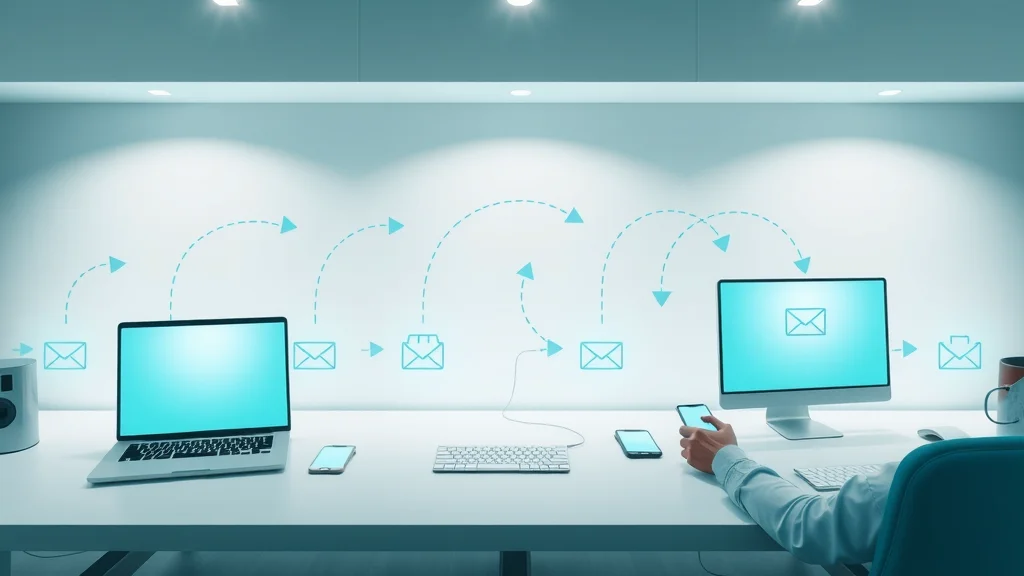
The real magic happens when marketing automation and email marketing combine forces. Automated email campaigns—like onboarding sequences or post-purchase follow-ups—are orchestrated by automation software, ensuring timely, relevant communication at every touchpoint. By structuring customer journeys into nurturing workflows, businesses can guide prospects from interest to action, building trust along the way.
More importantly, integrating analytics and reporting into your automation platform unearths valuable data on customer behavior, campaign performance, and ROI. Platforms like ActiveCampaign, Mailchimp, and Constant Contact make it easy to run A/B tests, segment audiences, and personalize messages based on user activity. CHLabs.co.uk pushes this further by offering advanced, sector-specific features for industries like travel and project management. The synergy of automation and email marketing keeps campaigns running around the clock, developing warm leads into loyal customers while delivering detailed insights for continuous improvement.
Key Features of Marketing Automation Platforms and Email Marketing Software
| Platform | Marketing Automation | Email Automation | Analytics | Sector Focus |
|---|---|---|---|---|
| Mailchimp | Yes | Yes | Yes | General/SMB |
| Constant Contact | Yes | Yes | Yes | Small Business |
| ActiveCampaign | Yes | Yes | Advanced | Broad |
| CHLabs.co.uk | Yes | Yes | Advanced & Custom | Niche Sectors |

When choosing an automation platform or email marketing software, reviewing their features is crucial. Mailchimp and Constant Contact offer robust email automation and analytics for general small business use, making them popular for their ease and affordability. ActiveCampaign takes analytics up a notch with advanced features for broad sector adoption. Meanwhile, CHLabs.co.uk specializes in providing custom solutions for sectors like wedding planning and project management—delivering unique automation workflows and tailored analytics that address industry-specific needs.
Standard features include automated email campaign builders, drag-and-drop workflow editors, built-in analytics dashboards, and native CRM integration. The more specialized the tool, the better equipped it is for handling complex, multi-channel marketing campaigns and providing detailed performance metrics. The right fit depends on your sector, business size, and the degree of automation required to achieve your goals.
Marketing Automation, Email Automation, and the 80/20 Rule
“80% of your results come from 20% of your efforts—marketing automation and email marketing help you focus on what truly matters.”

The famed 80/20 rule—or Pareto Principle—applies perfectly to marketing. In most cases, 80% of your revenue will come from 20% of your marketing efforts. The real trick is identifying and automating those high-impact actions. Marketing automation and email marketing platforms help you isolate what works, then amplify those activities at scale.
By setting up automated emails to respond to specific triggers and behaviors, small businesses cut out repetitive tasks and focus on nurturing the hottest leads. Analytics tools highlight which campaigns are producing results, letting you continuously fine-tune your strategy. Whether it’s a win-back series for inactive clients or a targeted product recommendation workflow, automation sharpens your focus, maximizing returns from every marketing email and campaign.
Advantages of Marketing Automation and Email Automation for Small Businesses
- Scalability
- Personalized customer experience
- Automated emails for timely engagement
- Detailed marketing campaign analytics
- Efficient lead nurturing
Adopting marketing automation and email marketing unlocks numerous advantages. First, it enables scalability; small businesses can launch campaigns that reach thousands without hiring extra staff. Personalized content increases customer experience, as every recipient gets messages tailored to their needs and interests. With automated emails, engagement becomes both timely and relevant, improving open and conversion rates.
The analytics and reporting functions of leading marketing automation platforms allow businesses to track every aspect of campaign performance—identifying what works and what doesn’t. This data-driven approach supports better decision-making and greater ROI. As your customer base grows, automation tools make it effortless to segment and nurture leads, helping you convert more prospects into paying clients with far less friction.
Types of Marketing Automation and Email Marketing Campaigns

- Welcome series
- Abandoned cart reminders
- Event invitations
- Product recommendations
- Newsletters
- Re-engagement (winback) emails
There are various types of marketing campaigns you can create with automation software. The welcome series is a good starting point, making new subscribers feel valued and introducing your brand in a memorable way. For eCommerce and retail, abandoned cart reminders help recover lost sales by prompting customers to complete their purchase. Event invitations and newsletters keep your audience engaged and informed about important updates.
Other effective campaigns include re-engagement emails that target inactive customers, product recommendation flows based on browsing behavior, and automated follow-ups after a purchase. By employing these email marketing tools, businesses deliver the right message at the perfect time, increasing both sales and customer loyalty. CHLabs.co.uk and other automation platforms make setting up these campaigns easy for every industry.
Choosing the Right Marketing Automation Platform or Email Marketing Software
Evaluating Automation Software: Mailchimp, Constant Contact, ActiveCampaign, and CHLabs.co.uk

The market offers a variety of marketing automation platforms and email marketing software, but selecting the right one depends on your business needs and sector. Mailchimp and Constant Contact are household names with intuitive interfaces, affordable pricing, and robust features, making them ideal for general small business use. ActiveCampaign is known for its advanced automations and deep analytics, suitable for companies ready to scale their growth.
CHLabs.co.uk, specialize in custom and advanced solutions for sectors such as real estate, travel planning, and recruitment. If your business has unique workflows or compliance needs, a tailored automation software solution ensures seamless integration with existing processes and the flexibility to adapt as you grow. Always review trial options, customer reviews, and sector focus before committing to a platform.
Key Criteria: Usability, Integration, Support, and Cost
When evaluating automation software, prioritize usability—can your team easily create marketing campaigns without extensive training? Check if the automation platform integrates with your CRM, eCommerce, or project management tools
Cost is always a factor; compare not just the upfront price but also the value delivered in terms of scalability, analytics, and sector-specific features. A trustworthy marketing automation tool provides transparent pricing, clear documentation, and reliable customer support to help you maximize both your marketing efforts and resources.
The Benefits of Niche Solutions: CHLabs.co.uk for Wedding Planning, Real Estate, Fitness Coaching, and More
Generic platforms work for many, but specialized industries often require tailored solutions. CHLabs.co.uk (part of Capid Houser) is a leading example—offering readymade software applications for wedding planning, real estate, fitness coaching, project management, recruitment consultancies, travel agencies, and more. Their sector-specific approach means automation is finely tuned to your unique business processes, customer journeys, and compliance needs.
By choosing a niche automation tool, small businesses sidestep complex customization and immediately benefit from marketing campaigns designed for their realities. Feature-rich workflows, personalized content tools, and actionable analytics are just some advantages CHLabs.co.uk clients experience daily. Explore their solutions to discover how sector expertise amplifies your automation success.
Implementing Email Marketing Automation: Step-by-Step Guide
- Select your marketing automation software
- Define your target audience and segmentation
- Create automated emails and personalized workflows
- Test, analyze, and optimize your campaigns using analytics

Ready to get started? First, select your marketing automation platform—review popular options like Mailchimp, Constant Contact, ActiveCampaign, or industry-focused providers such as CHLabs
Then, create automated email campaigns and set up personalized workflows. For example, schedule a welcome email as soon as someone subscribes, or trigger automated reminders for upcoming appointments or cart abandonment. Lastly, continually test, analyze, and optimize your campaigns: use platform analytics to review open rates, click rates, and conversions, refining your approach to drive maximum ROI.
Best Practices for Effective Marketing Email Campaigns
- Personalize your automated emails for customer experience
- Time your marketing emails strategically
- Segment your audience for greater relevance
- Monitor key metrics on marketing automation platforms
To make the most of your email marketing automation, incorporate best practices: personalize every message by using names or referencing past purchases, ensuring each email feels unique. Timing is also crucial; analyze when your audience is most active to maximize engagement rates. Segment your audience to match offers and content to their interests, boosting both relevance and conversion rates.
Never neglect the power of analytics—monitor key metrics like open rates, click-throughs, and conversions within your marketing automation platform. This data tells you what works, what needs improvement, and how your campaigns impact the business. By following these proven strategies, your business can save time, increase customer engagement, and drive measurable results with every marketing email.
Real-World Examples: Marketing Automation and Email Marketing Success Stories

- Small business finances: Automating invoicing and payment reminders
- Recruitment consultancies: Nurturing candidates and clients
- Newsletter content creation: Streamlining content delivery through email marketing automation
Real businesses across sectors have accelerated growth by adopting email automation and marketing automation tools. For example, small businesses in finance use automated emails to handle invoicing and remind clients about payments—reducing the risk of late or missed collections and improving cash flow. Recruitment consultancies have built advanced workflows that nurture both candidates and employer clients, leading to faster placements and stronger relationships.
Newsletter creators benefit by streamlining the content delivery process, using email marketing automation to ensure the right stories reach subscribers at the ideal frequency, all with minimal manual effort. These examples are just a snapshot of the transformative power marketing automation platforms offer to small businesses—delivering tangible impact in their daily operations.
Sector-Specific Solutions: How CHLabs.co.uk Adapts Marketing Automation and Email Marketing Systems
- Wedding planning: Automated guest reminders and timelines
- Travel planning: Personalized trip follow-ups via automated email
- Project management: Workflow automation with integrated email marketing
What sets CHLabs.co.uk apart is its devotion to sector-specific marketing software solutions. Wedding planners can set up automated email reminders for guests about key dates, dietary requirements, and travel arrangements. Travel agencies use personalized email automation for follow-ups, ensuring clients receive itinerary updates and personalized recommendations during and after their trip.
For project management, integrated workflows pair email marketing with milestone alerts, client collaboration, and task updates, tightening communication and keeping projects on track. By offering both ready-made and customizable applications, CHLabs.co.uk helps businesses across diverse sectors leverage the best automation tools—from recruitment to fitness coaching—with powerful results.
Video Walkthrough: See Marketing Automation and Email Marketing in Action
Check out this concise, step-by-step video walkthrough showing how to set up an automated welcome email campaign using a popular marketing automation platform. See every action on the screen and learn how simple automation software can transform your customer journey—even if you’re just starting out.
People Also Ask: Top Questions About Marketing Automation and Email Marketing
What is the difference between email marketing and marketing automation?
Email marketing involves sending one-off messages or newsletters manually, targeting groups of contacts or your entire list. Marketing automation goes further: it includes multi-step marketing workflows, automated emails triggered by user actions, lead nurturing campaigns, and analytics—all working together to guide customers through a seamless journey, improve conversions, and save time.
What is automation in email marketing?
Automation in email marketing is the process of using automation software to schedule, send, and personalize emails based on predefined triggers (like subscription, purchase, or inactivity). With automated email campaigns, businesses deliver timely and relevant content automatically—improving engagement, boosting sales, and reducing manual labor.
What is the 80 20 rule in email marketing?
The 80/20 rule (Pareto Principle) in email marketing means 80% of your results—such as opens, clicks, or revenue—come from just 20% of your emails or actions. By identifying and focusing on these high-impact messages or strategies using automation platforms and analytics, you maximize efficiency and ROI in your campaigns.
Which tool is commonly used for email marketing automation?
Popular tools for email marketing automation include Mailchimp, Constant Contact, ActiveCampaign, and sector-specific solutions like CHLabs.co.uk. These platforms offer intuitive workflows, analytics, and integrations for small businesses across various industries.
Watch this real-life tutorial to learn the step-by-step process of building automated email campaigns using leading marketing automation software. See how easy it is to launch, customize, and monitor your campaigns—perfect for small business teams looking to save time and improve results.
Top List: Best Marketing Automation Software and Email Automation Platforms for Small Businesses
- Mailchimp
- Constant Contact
- ActiveCampaign
- CHLabs.co.uk
FAQ: Frequently Asked Questions About Marketing Automation and Email Marketing
- How can small businesses start with marketing automation?
Begin by selecting a suitable marketing automation platform, set clear campaign goals, and segment your contact list for tailored outreach. - What are the advantages of automated email over traditional campaigns?
Automated email campaigns save time, ensure timely delivery, and increase personalization—leading to better engagement and higher ROI. - Which sectors benefit most from email marketing automation?
Sectors like retail, wedding planning, finance, real estate, travel, project management, and fitness coaching all see huge benefits. - How to measure ROI from marketing automation platforms?
Use analytics dashboards to track opens, clicks, conversions, and sales attributed to each campaign—compare those against campaign costs. - How important is personalization in marketing automation?
Personalization boosts customer experience, relevance, and ultimately leads to higher open, click, and conversion rates for every campaign.
Key Takeaways: Transform Your Small Business with Marketing Automation and Email Marketing
- Marketing automation and email marketing drive sales and nurture customer relationships
- Automation software enhances scalability and analytics
- Niche solutions like CHLabs.co.uk are ideal for sector-specific needs
- Best practices maximize campaign effectiveness
Maximize Your Marketing: Next Steps
Ready to unlock the full potential of marketing automation and email marketing for your business? Visit CHLabs
If you’re eager to take your marketing automation journey even further, consider how a partnership with a business software development agency can elevate your entire digital strategy. By leveraging the expertise of a team like Capid Houser Labs, you gain access to custom-built solutions that adapt as your business evolves—ensuring your marketing, sales, and operations are always in sync. This strategic approach not only streamlines your workflows but also positions your brand for long-term growth in a competitive landscape. Explore how tailored software development can future-proof your business and unlock new levels of efficiency and innovation.
Sources
- Salesforce Research
- Mailchimp Features
- Constant Contact Automation
- ActiveCampaign Email Automation
- CHLabs.co.uk – Marketing Automation for Small Businesses
To enhance your understanding of marketing automation and email marketing, consider exploring the following resources: “What is Marketing Automation?” by Salesforce provides a comprehensive guide on how marketing automation can streamline your marketing efforts, improve lead generation, and enhance customer engagement
