
Did you know that over 85% of architecture firms now rely on specialized architecture and design software solutions and applications as their creative backbone? In an era where a single click can generate a photorealistic 3D space or refine a floor plan for global collaboration, these digital tools have become essential for freelancers, consultants, and enterprise architects alike

Startling Facts: The Rise of Architecture and Design Software Solutions and Applications in Modern Creative Work
Architecture and design software solutions and applications have revolutionized how architects work, design, and collaborate. Surveys show that architecture tools are used in nearly 95% of large-scale construction projects and are making inroads into small firms and freelance consultancies. The integration of advanced features such as cloud-based platforms, real-time rendering, and intelligent 3D modeling engines has enabled software architects and designers to deliver designs faster and with greater precision. Now, even a solo practitioner or a small team can compete on the same level as large enterprises, thanks to these innovative software architecture tools.
The result? More clients, better outcomes, and a faster route to production-ready models—whether designing a dream home or mapping out a sleek corporate headquarters with distributed systems
What You’ll Learn About Architecture and Design Software Solutions and Applications
- How top architecture and design software solutions and applications boost creative output
- Key features and differentiators of leading software architect tools
- Benefits for freelancers, consultants, and enterprise architects
- Tips for choosing the best architecture tool for your needs
- Tech trends shaping software design and architecture tools
Understanding Architecture and Design Software Solutions and Applications

What Sets Architecture and Design Software Solutions and Applications Apart?
Unlike traditional drafting tools, modern architecture and design software solutions and applications grant users access to a suite of advanced features—think photorealistic 3D modeling, parametric design, cloud-syncing for instant collaboration, and powerful rendering engines. These architecture tools streamline every step of the design and analysis process, from initial sketch to final presentation. What truly distinguishes these software architecture tools is their ability to integrate real-world design patterns, automate complex calculations, and enable seamless adjustments without starting from scratch. Software architects and designers can use these applications to visualize outcomes, refine projects in real time, and maintain clarity across distributed systems. Whether you’re a seasoned enterprise architect or a solo consultant, choosing the right software architecture tool is the first step toward a smoother, more inspired design journey.
Crucially, top architecture tools go beyond the visual—they connect with other platforms, ensure version control, and archive every phase of a project. This connectivity reduces the friction designers face when collaboratively building large software systems or adapting design patterns for diverse use cases. The architecture firm that embraces these leading-edge tools is not only staying competitive; it is driving a culture of creativity and innovation, one digital model at a time.
The Role of Software Architect and Architecture Tool in Modern Projects
A software architect orchestrates complex projects, selecting the right architecture tool to balance creativity with technical accuracy. Today, leading architects leverage software architecture tools to define design patterns, manage system requirements, and adapt quickly to project evolution. The main strength lies in the ability of these solutions to address the full arc of a project—from ideation to execution. Collaboration, speed, and strategic insight are built into the DNA of these platforms, allowing architects to respond to stakeholder needs, regulatory requirements, and even last-minute changes.
For consultants and freelancers, the right architecture and design software applications open up a new world of opportunity. No longer confined to manual adjustments or slow rendering, they now wield tools that can deliver production-ready 3D models with remarkable fidelity. Using features like built-in diagramming tools, drag-and-drop UI, and integrated support for distributed systems, both enterprise architects and individual consultants can deliver top-tier results regardless of project size or complexity.
To further streamline your workflow, consider how partnering with a specialized software development agency can help integrate these architecture tools into broader business processes, ensuring seamless collaboration and scalability for your projects.
| Software | Key Features | Pricing | Platforms | Strengths |
|---|---|---|---|---|
| AutoCAD | Precision drafting, 2D/3D, vast library | Subscription-based | Windows, Mac | Industry standard, detailed plans |
| Revit LT | BIM modeling, parametric tools | Subscription | Windows | Comprehensive modeling, efficient workflows |
| SketchUp | Fast 3D, intuitive UI, extensions | Freemium, Pro option | Windows, Mac, Web | Rapid concepting, great for interiors |
| ArchiCAD | Team collaboration, BIM, scripting | Subscription | Windows, Mac | Advanced collaboration tools |
| Rhino 3D | Parametric design, 3D modeling | One-time | Windows, Mac | Custom, complex structures |
| Vectorworks Architect | 2D/3D/BIM, library, workflow automations | Subscription | Windows, Mac | All-in-one design and documentation |
1. AutoCAD: The Foundation of Modern Software Architecture Tools
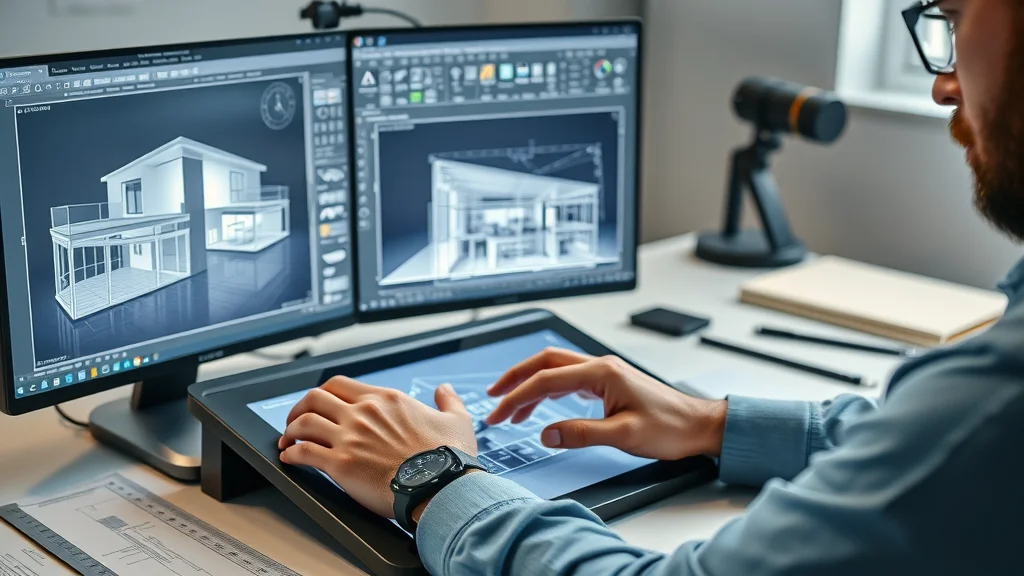
Best for Precision Drafting in Enterprise Architecture
When it comes to precision drafting, AutoCAD stands out as the industry standard architecture tool. Used by the majority of architecture firms and favored by both freelancers and enterprise architects, AutoCAD excels in producing detailed 2D and 3D models. Its robust features—layer organization, customizable templates, and compatibility with a wide range of file types—make it a cornerstone for enterprise architecture projects that demand meticulous planning. The intuitive user interface allows even newcomers to efficiently map out design patterns or system requirements, while more experienced software architects enjoy the flexibility to customize workflows and develop new architectural patterns.
AutoCAD’s seamless integration with other software architecture tools ensures a smooth design process for projects spanning distributed systems or complex building types. Whether you are preparing construction documents, drafting product designs, or collaborating with a development team on software design, AutoCAD offers the control and adaptability essential for delivering top-quality projects—on time and within budget. For any consultant or freelancer who values accuracy, the investment in AutoCAD quickly pays off in elevated results.
AutoCAD’s Role as a Leading Architecture Tool
For decades, AutoCAD has empowered software architects and designers to generate, refine, and communicate their concepts with clarity. As a leading software architecture tool, it supports everything from precise schematics for office interiors to large-scale site planning in commercial projects. AutoCAD’s extensive library of design templates and patterns, coupled with its robust rendering and analysis tools, ensures quality at every stage of the design process. Furthermore, cloud platform integration allows for real-time collaboration, making it a preferred choice for teams spread across multiple locations, as well as for enterprise architects who require secure, centralized access to files and version history.
“AutoCAD has long been the backbone of software architects aiming for unparalleled precision.” – Industry Analyst
2. Revit LT: Intuitive BIM for Comprehensive Software Design
Seamless Modeling of Residential and Commercial Spaces
Revit LT is a powerful, cost-effective entry point for those seeking comprehensive BIM (Building Information Modeling) software design solutions. Its intuitive platform shortens the learning curve while supporting the modeling of both residential and commercial spaces. Revit LT is ideal for freelancers and consultants managing small to medium-sized projects who demand rich detail and responsive design features. It enables teams to manage distributed systems, ensuring that every design phase—from schematic layouts to finalized blueprints—aligns across participants in real time. This architecture tool’s parametric workflow supports rapid changes and minimizes costly rework, giving users an edge in fast-paced environments.
Key features include cloud platform support for real-time file access, built-in design pattern libraries, and tightly integrated documentation tools. These benefits make Revit LT an efficient software architecture tool for enterprise architects coordinating larger teams, as well as for independent consultants aiming to deliver polished, production-ready deliverables.
- Supports distributed systems for larger projects
- Efficient for enterprise architects and freelancers alike
3. SketchUp: Software Architecture Tool for Fast Concept Visualization

Flexible Design Patterns for Home and Office Interiors
SketchUp is renowned for its speed and creative flexibility, especially when it comes to visualizing interior design patterns and custom furniture layouts. This software architecture tool’s approachable interface—combined with an extensive library of extensions—allows users to drag, drop, and manipulate 3D models with ease. For consultants and freelancers focused on rapid prototyping, SketchUp shines during the early stages of the design process, enabling fast turnaround and vivid representation of home and office spaces. The cloud platform edition also supports real-time sharing and feedback, accelerating collaboration among client teams, enterprise architects, and project stakeholders.
“SketchUp simplifies complex software architecture into user-friendly design and analysis workflows.” – Design Expert
4. ArchiCAD: The Architect’s Choice for Advanced Architecture Tools
Collaborative Software System Support
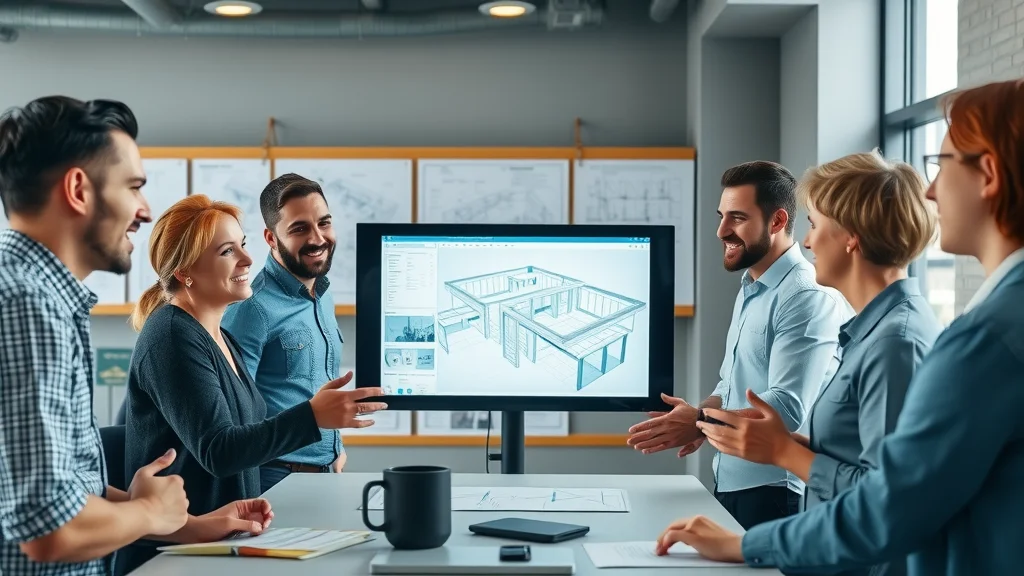
ArchiCAD is the go-to choice for architects seeking deep collaboration and advanced design and analysis capabilities. With its industry-leading BIM platform, ArchiCAD allows multiple software architects to work on the same model concurrently, streamlining both commercial office undertakings and intricate residential projects. The platform provides built-in diagramming tools, an extensive repository of design patterns, and scripting capabilities for custom functionality. These features help enterprise architects and consultants coordinate across distributed systems, making revisions swift and holistic.
ArchiCAD’s platform also offers cloud-based access and robust integration with rendering and visualization engines—key for firms that demand immediate feedback and detailed simulation of materials or lighting. This makes it a versatile architecture tool, well-suited to the agile delivery cycles modern architecture firms demand.
5. Rhino 3D: Exceptional Software Design for Custom Structures
Powerful Design and Analysis in Architectural Modeling

With Rhino 3D, architects and design consultants can push the boundaries of form and structure. Renowned for its robust parametric modeling, Rhino 3D is the architecture tool of choice for creating unconventional, intricate designs found in iconic buildings, pavilions, and bespoke furniture. It’s compatible with numerous plugins supporting automated design patterns and interactive diagramming tools, allowing for complex analysis and quick adjustments.
Rhino’s flexibility supports both the freeform creativity of individual consultants and the strict production requirements of enterprise architects. Whether modeling for software design or sculpting a physical prototype, Rhino’s ability to handle non-standard geometries and large software system models sets it apart as an essential component in advanced architecture and software architecture toolkits.
6. Vectorworks Architect: All-In-One Architecture and Design Application
From Diagramming Tool to Full Software Architecture Tool
Vectorworks Architect combines comprehensive diagramming and design tools with BIM workflows, making it ideal for professionals who need an all-in-one solution. Not only does it handle traditional 2D drafting and 3D modeling, but it also enables intuitive diagramming of software systems and built environments. Its comprehensive libraries, workflow automations, and support for collaborative cloud platforms help freelance consultants deliver production-ready results that scale up for enterprise architecture needs.
| Software | BIM Support | 3D Modeling | Cloud Collaboration | Design Pattern Library | Diagramming Tools |
|---|---|---|---|---|---|
| Revit LT | ✓ | ✓ | ✓ | ✓ | ✓ |
| Vectorworks Architect | ✓ | ✓ | ✓ | ✓ | ✓ |
| ArchiCAD | ✓ | ✓ | ✓ | ✓ | ✓ |
| Chief Architect | ✓ | ✓ | ✓ | – | ✓ |
7. Chief Architect: Tailored for Residential Software Design
Design Patterns that Fit Any Home
Chief Architect stands apart for its focus on residential architecture and intuitive design patterns. From custom kitchens and bathrooms to entire home layouts, its drag-and-drop interface, automated roof generation, and robust catalog of objects enable rapid, reliable home design. The software also supports integration with smart home modeling and energy analysis tools, delivering insights for both consultants and enterprise architects working on distributed systems or renovation projects.
Consultants and independent designers enjoy features like cloud-based collaboration, AI-assisted layout suggestions, and export-ready visuals that enhance client presentations. For anyone specializing in home design, Chief Architect offers powerful flexibility without sacrificing professional-grade accuracy.
Video Guide: How Enterprise Architects Leverage Chief Architect for Streamlined Design
8. Adobe Creative Cloud: The Unsung Hero in Architectural Presentations

Integrating Graphic Design with Software Architecture Tools
Though not a dedicated architecture tool, Adobe Creative Cloud empowers architects and consultants to elevate their presentations with exceptional graphic design, photorealistic rendering, and striking layouts. Photoshop, Illustrator, and InDesign are routinely used alongside main software architecture tools—assembling mood boards, annotating plans, and creating marketing materials that command attention. This integration between graphic design and architecture solutions helps communicate vision clearly to clients and project teams, improving buy-in and speeding project approval at every stage of the design and construction funnel.
Leveraging Adobe Creative Cloud, software architects can seamlessly iterate on branding, experiment with color palettes, and visualize final deliverables in large-scale presentations. Ideal for consultants, freelancers, or any enterprise architect aiming to merge design with storytelling impact.
9. Fusion 360: Bridging the Gap Between Architecture Tools and Product Design
Optimal for Light Commercial and Interior Architecture
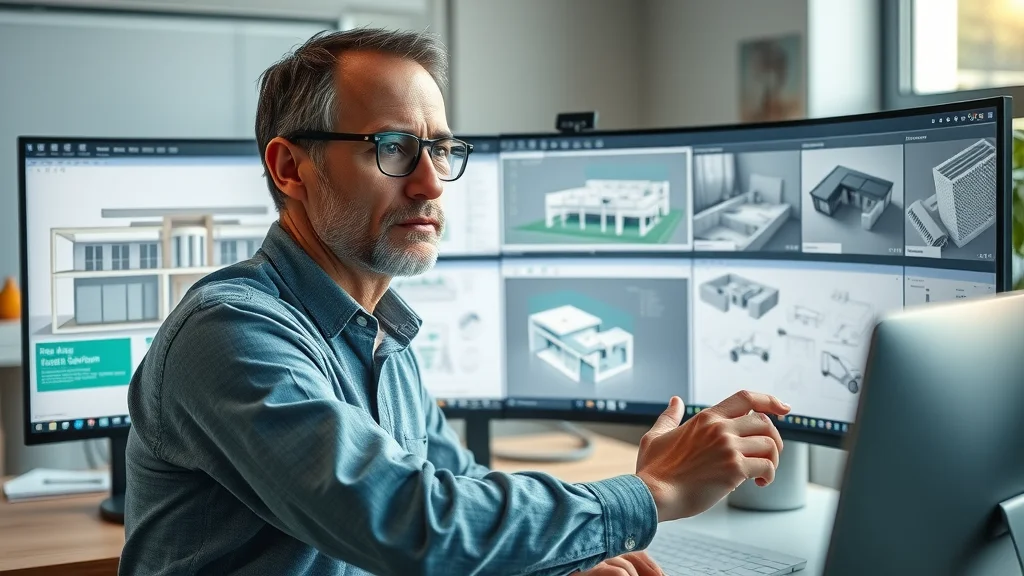
Fusion 360 is a favorite among architects who require both architectural and product design capability, especially for light commercial projects and innovative interiors. Offering cloud-based collaboration, powerful modeling language support, and seamless CAD/CAM integration, it allows professionals to move fluidly between software design, manufacturing, and spatial planning. This flexibility is invaluable for consultants or enterprise architects designing spaces that intersect with custom product solutions, office layouts, or ergonomic furnishings.
Its AI-driven features and rapid rendering engine compress turnaround times, making it a versatile architecture tool for demanding, multidisciplinary projects and distributed teams seeking production-ready models.
10. MindManager: Diagramming Tools for Better Software System Planning
Supporting Distributed Software Systems with Clarity

MindManager stands out in the realm of diagramming tools, making it easy to visualize, analyze, and communicate complex software system relationships. Its intuitive mind mapping and diagramming interfaces support brainstorming and project planning for both architectural and software architecture solutions. Freelancers and consultants use it to map distributed systems, outline project phases, and develop workflow diagrams, ensuring teams stay aligned—even across remote setups or complex enterprise architecture deliverables. Integration with other architecture and design software solutions and applications ensures MindManager fits easily into most tech stacks.
For software architects, the clarity MindManager brings to architectural and product design processes means fewer misunderstandings and smoother project delivery from planning through to build.
Top Benefits of Using Architecture and Design Software Solutions and Applications
- Accelerated software design and prototyping
- Enhanced collaboration for software architects and consultants
- Production-ready 3D modeling for varied software systems
- Intuitive tools for design pattern integration
- Effortless scaling to enterprise architecture needs
Features to Look For in Modern Software Architecture Tools
- Cloud-based collaboration and storage
- Robust visualization and rendering engine
- Advanced design and analysis workflows
- Comprehensive library of design patterns
- Support for distributed systems and enterprise architects
Productivity Boosters: Architecture Tools That Help Freelancers and Consultants Excel
AI-Powered Features and 3D Modeling in Software Architecture
Modern architecture and design software solutions and applications are increasingly powered by AI, bringing automation, predictive functionality, and intelligent suggestions to the forefront. This allows both enterprise architects and freelance consultants to automate repetitive tasks, generate 3D models quickly, and optimize design patterns for better output. AI-driven rendering and error detection further reduce project risk and time-to-market, making these software architecture tools fundamental for competitive advantage.
“AI-driven architecture and design software applications are transforming modern workflows for software architects.”
How to Choose the Right Architecture and Design Software Solutions and Applications for Your Project
- Assess project scope and software system requirements
- Consider user interface and learning curve
- Compare pricing and subscription models
- Ensure integration with other architecture tools
- Review case studies and expert feedback
It’s essential to align the architecture tool’s features with your specific workflow and project complexity. Freelancers may prioritize affordability and intuitive UI, while enterprise architects might need advanced integrations, security, and compliance features. Reading reviews from other consultants or exploring demo versions can clarify which software design solutions fit best for your practice.
Enterprise Architect vs. Individual Consultant: Tailoring Architecture Tools
Key Differences in Software Design Needs
Enterprise architects operate within broad environments—handling distributed systems, integrating legacy software systems, and leading large development teams through extensive software architecture cycles. For them, architecture and design software solutions must offer scalability, workflow automation, and enterprise-grade security. In contrast, individual consultants and freelancers usually focus on agility, ease of use, and rapid delivery for smaller projects. Their preferred tools typically emphasize streamlined UIs, template-driven workflows, and budget-friendly pricing. Regardless of scale, both segments benefit from choosing architecture tools that match their project’s unique needs, industry standards, and client expectations.
What to Know About Software Design Patterns and Architecture Tools
- Definitions of design patterns for architecture design software
- Examples of pattern use in real projects
- Links between software design and software system outcomes
Modern architecture and design software solutions build in common design patterns to help guide users to optimal, proven design outcomes. Whether working on a distributed software system or creating a physical structure, these reusable templates simplify complex decisions and improve both quality and efficiency. Studying pattern libraries within your chosen software architecture tool can accelerate learning and ensure best practices are maintained project-wide.
People Also Ask: Architecture and Design Software Solutions and Applications
What software applications are used for architectural design?
Answer: Leading architecture and design software solutions and applications include AutoCAD, Revit LT, SketchUp, ArchiCAD, Chief Architect, Vectorworks Architect, and Rhino 3D—each offering unique advantages for both enterprise architects and individual consultants.
What is architecture design software?
Answer: Architecture design software refers to specialized applications and tools that enable software architects and designers to plan, visualize, and execute building projects, integrating advanced features like 3D modeling, design patterns, and collaborative workflows.
What are the 7 major architectural services?
Answer: The 7 major architectural services supported by architecture and design software solutions and applications typically include pre-design, schematic design, design development, construction documents, bidding, construction administration, and post-construction evaluation.
What is the difference between solution architecture and solution design?
Answer: Solution architecture defines the structure and high-level framework of a software system, while solution design details the specific components, design patterns, and implementation strategies used by software architects and consultants within architecture and design software applications.
Key Takeaways: Architecture and Design Software Solutions and Applications
- Architecture and design software solutions and applications are essential for accelerating project delivery and boosting creative potential.
- Freelancers, consultants, and enterprise architects benefit from advanced software architecture tools for both residential and commercial projects.
- Choosing the right architecture tool depends on your project scale, workflow preferences, and design goals.
FAQs About Architecture and Design Software Solutions and Applications
Which architecture and design software solution is best for 3D modeling?
For 3D modeling, Rhino 3D, SketchUp, and Revit LT are popular choices. Rhino excels in custom geometries, SketchUp is perfect for rapid interior and conceptual modeling, and Revit LT offers robust BIM for precise planning and construction documentation.
How do software architects collaborate using architecture tools?
Modern architecture tools feature cloud platforms, real-time editing, and version control, making it easy for software architects to work collaboratively—no matter their physical location. Diagramming tools and workflow sharing further streamline teamwork.
Can architecture and design software solutions be used for both residential and commercial projects?
Absolutely. Leading architecture and design software solutions offer libraries and templates tailored for both home and commercial offices, ensuring flexibility and expert outputs for all types of building projects.
Are software architecture tools suitable for freelance consultants?
Yes, many tools are affordable, easy to learn, and designed for individual productivity. Consultants benefit from intuitive interfaces, cloud access, and export-ready visuals for accelerating client approval and presentation.
Conclusion: Elevate Your Creative Workflow with Architecture and Design Software Solutions and Applications

Ready to transform your ideas into stunning production-ready 3D visuals?
Video Demonstration: Bringing Your Residential or Commercial Office Design to Life With Leading Architecture and Design Software Applications
Ready to Create Production-Ready 3D Visuals? Visithttps://architectureanddesign.chlabs.co.uk/to Launch Stunning Architectural & Product Imagery in Minutes!
Sources
- https://www.autodesk.com/solutions/architecture-software – Autodesk
- https://www.sketchup.com/ – SketchUp
- https://www.graphisoft.com/archicad/ – ArchiCAD
- https://www.vectorworks.net/architect – Vectorworks Architect
- https://www.chiefarchitect.com/ – Chief Architect
- https://www.rhino3d.com/ – Rhino 3D
- https://www.adobe.com/creativecloud.html – Adobe Creative Cloud
- https://www.autodesk.com/products/fusion-360/overview – Fusion 360
- https://www.mindmanager.com/ – MindManager
For those interested in taking their digital transformation even further, explore how a business-focused software development agency can help you implement custom solutions that align with your architectural vision and operational goals. Discover new strategies, advanced integrations, and expert support to future-proof your creative workflow and drive lasting innovation.
To enhance your understanding of architecture and design software solutions and applications, consider exploring the following resources:
-
“Architectural Design Software | Software for Architects | Autodesk”: This page provides an overview of Autodesk’s suite of architectural design tools, including Revit and AutoCAD, detailing how these applications can enhance efficiency and creativity in architectural projects. (autodesk.com)
-
“10 Types of Architecture Software | Deltek”: This article outlines various types of architecture software, such as CAD, BIM, and 3D modeling tools, explaining their roles and benefits in the design process. (deltek.com)
These resources offer valuable insights into selecting and utilizing the right software to boost creativity and streamline workflows in architectural design.
